A discovery phase is a short, focused engagement that happens before the main build. Its purpose is simple: reduce the biggest risks while they are still cheap to fix.
What a discovery phase should produce
- A shared understanding of goals, users, and success measures
- A prioritised scope split into must-have, should-have, and later
- Key user flows, wireframes, or a clickable prototype
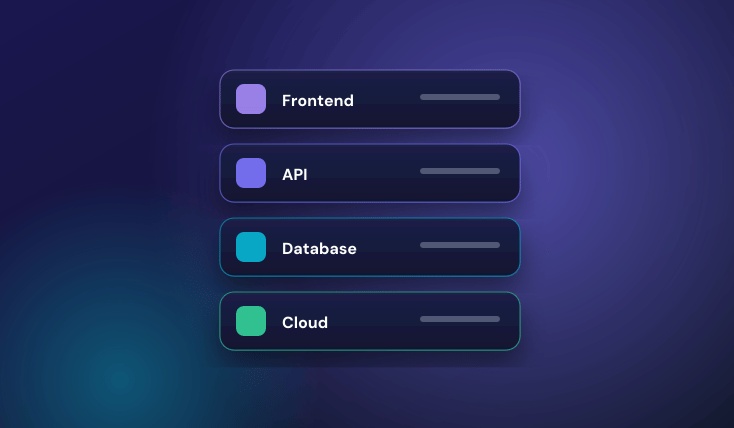
- A proposed architecture and a list of technical risks
- A realistic estimate, timeline, and delivery plan
How it typically runs
- Kick-off workshop with stakeholders to align on goals and constraints.
- User and domain research: interviews, existing data, competitor review.
- Design exploration and prototype testing with real users where possible.
- Technical spikes on anything risky, such as integrations or performance.
- Final review, with a written plan you can use with us or without us.
Signs it is working
You should come away with fewer open questions, not more. Stakeholders disagree less about scope. The estimate has ranges and assumptions you can understand, not a single magic number.
Discovery is not a delay. It is the cheapest insurance in software.
When you can skip it
If you are adding a small, well-understood feature to an existing product, a lightweight planning session is usually enough. For new products, integrations with unfamiliar systems, or anything with regulatory impact, discovery is well worth the time.